Pages

Thursday, 1 August 2019

Acrostic poem,haiku poem

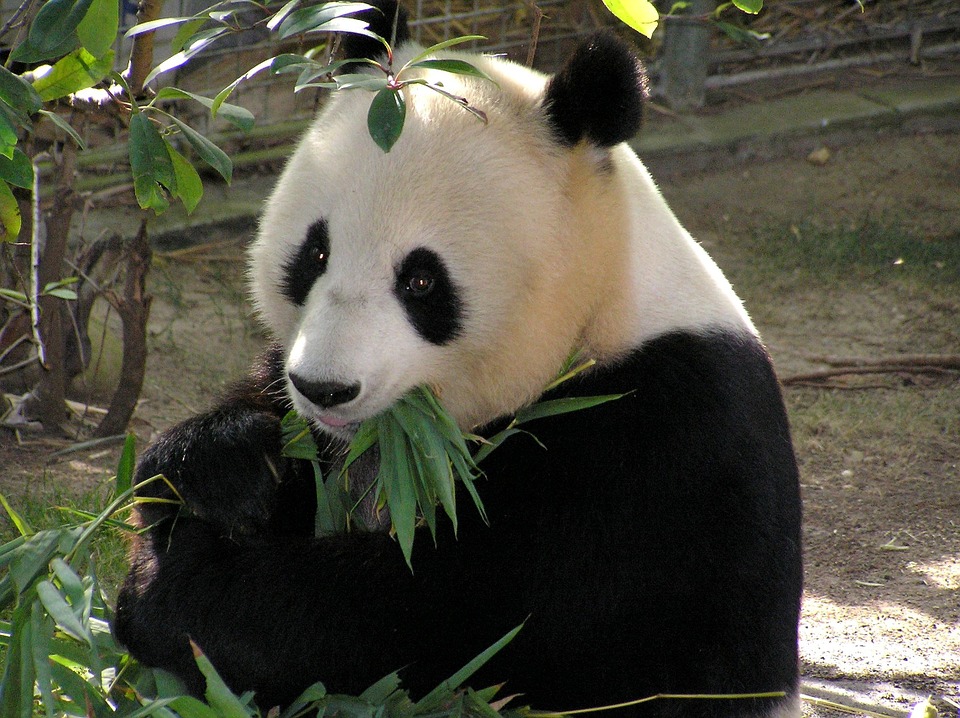
Pretty colors on their skin
Ate a lot of bamboo sticks
Nap at nighttime
Don’t attack people 
At China

Runs fast
Ate a lot of carrots
Babies are called kitten
Burrow
It’s so cute
Tall ears

They have special hard shell on their back
Under the sand the eggs get laid
Reptile kingdom
The turtles always goes slow
Lives in the water
Eat small jellyfish and fish
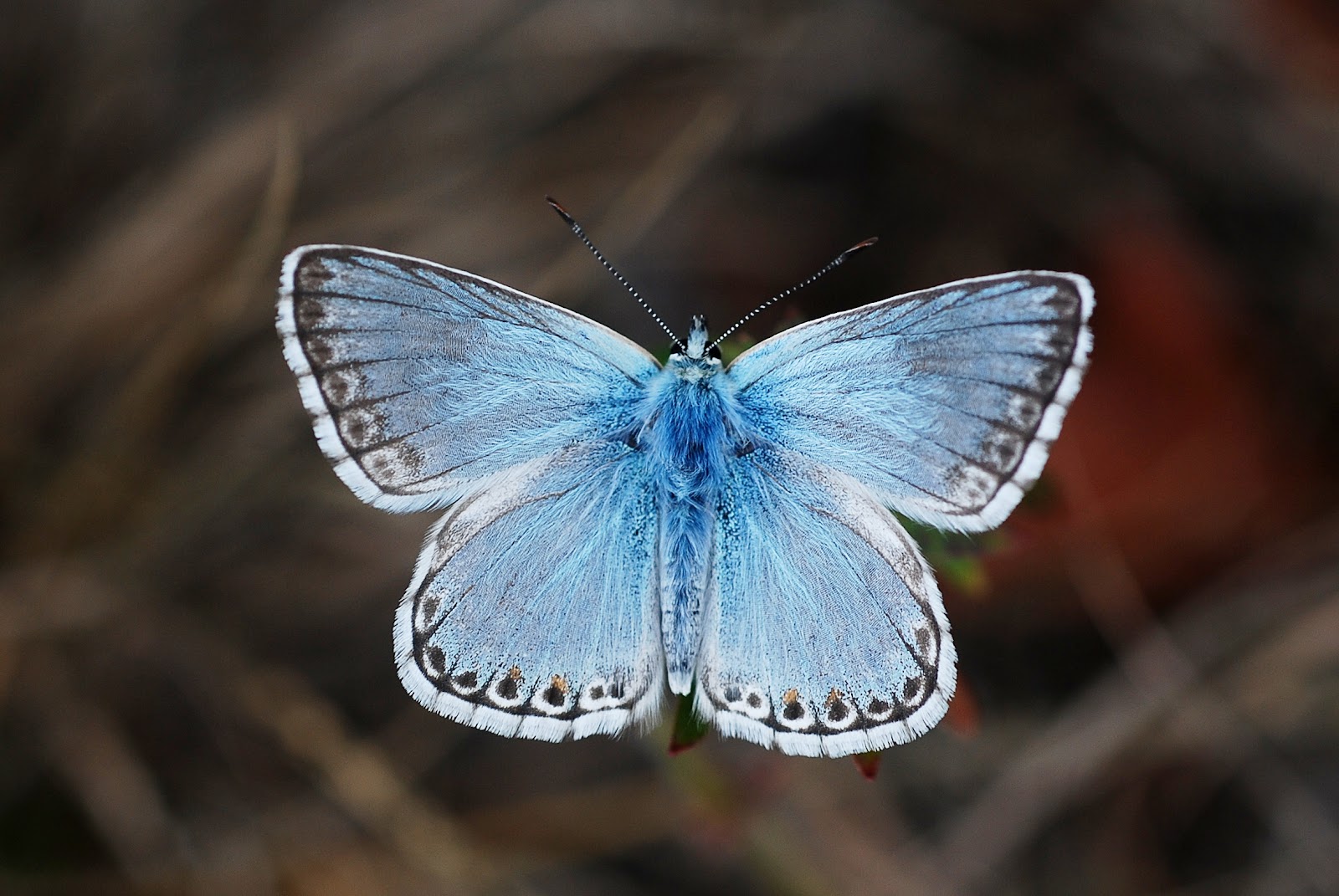
Beautiful colors
Under their body there are six legs
They are always pretty when it is in a group
They always fly around
Eats butterfly food
Repeatedly beating their wings
Finds their own food
Like to eat
Yellow and gold dots
Eats their own accidents
Likes to attack people in cars
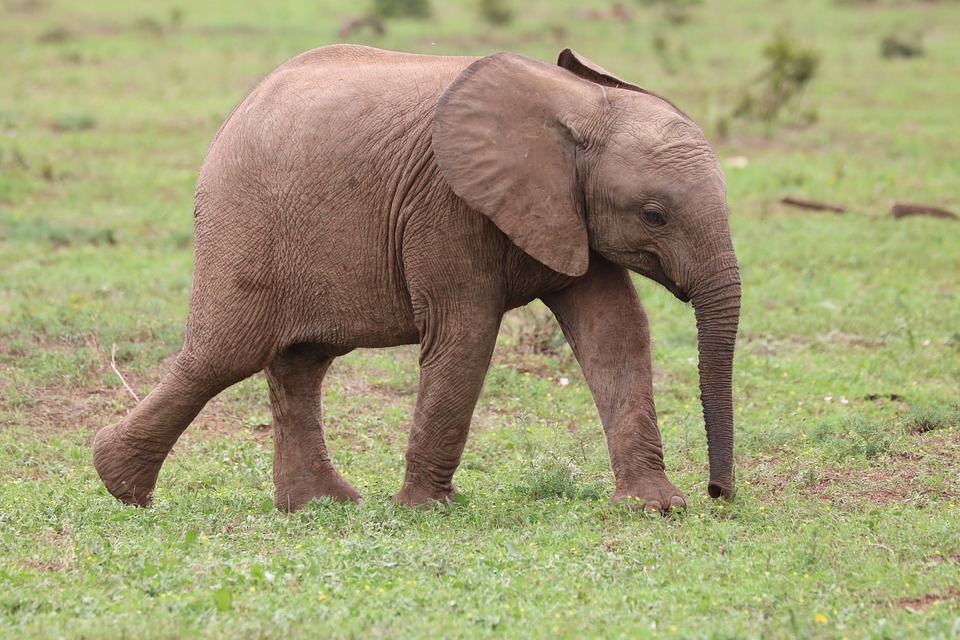
Ears big as a tv
Plays with their children
Hunt their predators
A huge trunk
Needs food to survive
Trunk is made out of Ivory

Haiku poem

Fox
Fluffy fur and cute
Finds their predators for food
Always smart and fun
Fur


Dog
Always chases cats 
Goes to play all day and eat
Has a lot of fur
Fat
Cat
Fluffy and noisey
Always eat and sleep all day
They scratches people
Cute

BY:Junefia Wilco.

Monday, 22 July 2019

Animal mnemonic

New words from reading
 Tuesday 23rd July 2019

Big idea: within each kingdom there are more different groups that classify animals. 

  • Prokaryotes - a name of a kingdom 
  • Etc means etcetera
  • Interbreed - when two different animals have babies together

Mnemonics help us remember hard things, for example NEVER EAT SOGGY WEETBIX helps us remember North East South West. 

This is the mnemonic i learnt to help me remember the order:
Keep Ponds Clean or Fish Gets Sick
Kingdom
Phylum
Class
Order 
Family
Genus

Species    

Sunday, 21 July 2019

Animal kingdom

New words from animal kingdom reading
Monday’s reading

  • Organism - a living thing
  • Vertebrate - has a spine
  • Invertebrate - has no spine 
  • Taxonomy - a way to group things
  • Diverse - a big range 
  • Amphibians - 
  • Heterotrophic - means they must find and eat food
  • Primates (apes, monkeys)
  • Rodents (rats, squirrels)
  • Cetaceans (dolphins, whales)
  • Marsupials (kangaroos, koalas)
  • Monotremes (egg laying mammals like the platypus)
  • Autotrophic - make their own food by photosynthesis
  • Photosynthesis - how plants make their own food
  • Vascular - uses roots to absorb water
  • Nonvascular - uses the whole plant to absorb water
  • Decompose, decomposition - to break down
  • Non-flowering - no flowers 
  • Thermophiles - (root word is thermo which is about temperature) 

Big ideas from the reading 
  • All living things are called organisms. 
  • They are organised into 6 groups called kingdoms. Each group has certain characteristics that each organism must have. 
  • Animals
    • Can move on their own
    • Are heterotrophic (can’t make their own food)
    • Must eat to survive
    • Vertebrates and invertebrates 
  • Plants 
  • They are Autotrophic (they make their own food)
  • Some are vascular and nonvascular. 
  • If a plant has seeds or fruit, it is a flowering plant.
  • Eubacteria
  • Are made up of just one cell. They are everywhere. Some bacteria are good and some are bad.
  • Bacteria called decomposers break down dead plants and anacteria.
Archaebacteria
  • Can survive where no other organism can live.
  • Thermophiles, methanogens and halophiles
Fungi 
  • Say it fun guy
  • Mushrooms are a fungi
  • They are heterotrophic (can’a make their own food)
  • Use enzymes to break down food

Protista 
  • Are related to either plants, animals or fungi (one of them, not related to all of them at the same time)

Monday, 1 July 2019

Joan Wiffen information report

Brainstorm and plan. 

Joan Wiffen
Structure
Topic 
Words and ideas to use
Introduction 


Paragraph 2
Early life 
Born in ??
Lived where??
Married to…?? KIds??
What was her job??

First fossil she ever had was given an Ammonite (fossil of an ancient squid) that made her interested in finding fossils.
Paragraph 3
Discovering fossils 
First in NZ. 1975. Mangahouanga Stream in Hawke’s Bay. dinosaur tailbone from a theropod.  From six different species. Joan and family and friends. 

Fossils were in rocks, used some special tools to split the rocks open, carried it to her car. 
Paragraph 4
Changing ideas about fossils
An Australian paleontologist Dr Ralph Molnar confirmed it was a dinosaur bone in 1980. 

Other people started looking for fossils and found some - page 24.
Paragraph 5
Later life
Honorary doctorate in 1994. 
Died in ??

She is remembered - her fossils are kept safe. Some are at the University of Auckland, some are at National Paleontological collections at GNS Science in Lower hutt. The first one she found is on display at Te Papa. 
Conclusion 


Joan Wiffen is a famous New Zealand dinosaur hunter.

Joan Wiffen was born on the 4th of Feb 1922. She was married to a man named Pont Wiffen and they two kids. Her famous job was to be a palaeontologist and she was a person who hunts dinosaurs and she studied ancient thing about animals.

In 1975,Joan Wiffen found the first dinosaur fossil in New Zealand,a small piece of a dinosaurs tailbone from a theropod dinosaur,she found it in a rock at Mangahounga stream in Hawke’s Bay. Joan Wiffen got some special tools to crack the rock open and grab the fossil out of the rock. Joan and her family went to find more dinosaur fossils and people started to do the same thing,she found six dinosaur fossils from different species. 

In 1980, an Australian paleontologist named Dr Ralph Molnar confirmed the bone that Joan had found was indeed a dinosaur fossil.  

Joan Wiffen and her family and her friends found six different kinds of dinosaur bones at Mangahounga stream, inland Hawke’s Bay. Other people started looking for fossils. A man named Brendan Hayes found a very small finger bone of a theropod dinosaur at South of Port Waikato (in the cliffs along the coast). Another man named Dr Greg Browne found a dinosaur footprint at Northwest Nelson,even a another man found several dinosaur bones (sauropod and theropod) at Tioriori, Chatham Island.

Joan Wiffen received an honorary doctorate in 1994. She died on the 30th of June 2009,people remember her by reading books about her amazing journey. 

Sunday, 30 June 2019

Dinosaur history

DINOSAUR HISTORY
By Junefia and Janett


This information report is about dinosaurs that ruled the earth. 


Palaeontologists
A paleontologists are scientists that study ancient things including mammals and dinosaurs. Mary Anning was famous because she was a  fossil hunter and she also finds shell and fossils. Her dad was very clever and he even taught Mary what the fossil were called,she called them “curios”.Mary Anning was much different to another old woman named “Joan Wiffen”,Joan Wiffen was a famous DINOSAUR hunter and she was the first person to find one peice of a dinosaurs tailbone in New Zealand. She proved for the first time that dinosaurs had once been in NZ. One day,Mary’s brother Joseph led her along a cliff,than Mary saw a skull.straight away, Mary could see that this was the skull of no ordinary creature,and it was huge over a metre long.Joan Wiffen was a very smart woman who hunts dinosaurs and see if they are extinct or not extinct.She knew that AMMONITES became extinct at the same time as the dinosaurs,and soon,dinosaurs were at the top of her most wanted list.

Fossils
Fossils are dead animals or plants. They are usually skeletons found embedded in rock. Sometimes fossils are footprints or poo. Small animals or insects get stuck in tree sap which hardens and traps them forever. Large animals can get trapped in ice ,or their carcass gets trapped in layers  of rock. Over thousands of years ,pressure builds up and the ground. Next the mould left is filled with minerals that form rock. This rock shape is the fossils - an exact replica of the dinosaurs. This process takes 10,000 years. Palaeontologists find fossils when the top layer of dirt or rock washes away. When dinosaurs died their skin gets washed off,and then that is when you see the fossil of an dinosaur. 


Age of dinosaurs
The age of dinosaurs when dinosaurs existed. Dinosaurs started existing around 230 million years ago and died 66 million years ago. This time is also called the Mesozoic Era. During this time lots of different animals evolved.  230 mya dinosaurs evolve. 200 mya small mammals appear. 200-146 mya their were no people. 150 mya Birds evolve from dinosaurs. 140 mya first flowering plants appear. 130 mya first snakes evolve from lizard. 65 mya dinosaurs die out.      


What were dinosaurs like?
Some animal eats meat (carnivore), but some animals eat plants (herbivores), some animals eat both (omnivore). Female dinosaurs lay eggs , dinosaurs lives in family’s.  Non avian means dinosaurs that are not birds but avian mean birds. Dinosaur that are warm- blooded because their temperature is always the same. When they eat food they get more energy and then they run fast. But if they don’t eat food they were not have much energy and then they were walk slow. This is called their metabolism. Some dinosaurs had modifications (changes) like horns, spikes, crests or armour. 


Extinction event
Extinction means “DEAD” which means an extinction event is something that all the dinosaurs were dead. The scientist two ideas about how did the dinosaurs die,their ideas were,the dinosaur could have died because of the big meteorite that hit the world and formed earthquakes killed them and it is just like the movie Ice age.


Age of mammals
The Age of Mammals is the period of time after dinosaurs became extinct, and mammals ruled the Earth. It is also called the Cenozoic Era. There are 3 time periods in this Era; palaeogene period-60-58 mya, Neogene period (23-2.6 million years ago) and the Quaternary period (0.25 million years ago). During this time different mammals evolved. Titanoboa becomes one of the predators at the top of the food chain. 55-34 mya:large mammals appear,including horses and camels. 23-2.6 mya: Hominins begin to walk on two legs. 2.6-0 mya:Modern humans evolve.

Dinosaurs were the most powerful creatures to roam the Earth. If they lived now, they would be the dominant species. 
dinosaur knowledge

Room 7
Dinosaur knowledge
Prior Knowledge
In 2 weeks, we learnt that...
  • Animal
  • Predator
  • Dino is the root word
  • ‘Saurs’ means something
  • Species 
  • Extinct 
  • Huge
  • Large bones
  • Long necks
  • Eggs 
  • Sharp teeth
  • Long tails
  • Eat people
  • Different kinds
  • Spikes
  • Horns
  • Mammals
  • 4 legs
  • Bipedal means 2 feet and quadruped means 4 feet. Some dinosaurs are bipedal and some are quadrupeds. Some can change between the two stances. They are sturdy.
  • Theropod is a 3 clawed dinosaurs
  • Dinosaurs are warm-blooded, which means their blood temperature is always the same
  • Carnivore means a meat eater
  • Herbivore means a plant eater
  • Omnivore means it can eat plants and meat
  • Some dinosaurs are huge and some are small. Typically, huge dinosaurs were sluggish (slow). 
  • Dinosaurs died out 66 million years ago. They started existed 230 million years. 
  • They died because of an extinction event, most people think this was because a meteor hit the Earth. 
  • Dinosaurs legs go out the bottom of their hip bones, whereas reptiles bones go to the side of their hips. Reptiles do not have an extra hole in their skull, but dinosaurs do. 
  • Mary Anning found lots of fossils on a cliffside in England in the 19th century. She was born in 1799 and died in 1847. She survived a lightning strike as a baby. In 1824 she found the first fossil.
  • Non-avian dinosaurs are dinosaurs that are not birds. Avian means birds.
  • Metabolism means how fast or slow your body converts food into energy
  • Diverse means a big range
  • Modifications means changes. Dinosaurs have modifications such as spikes, armour, horns or crests. 
  • Clade means family.
  • Lineage means ancestors/descendants 
  • Paleontologists are scientists that study ancient things including dinosaurs
  • There are 4 main groups of dinosaurs; theropods, sauropods, ankylosaurus and pterosaurs.
  • Titanoboa was top of the food chain after the dinosaurs died. It killed people by constricting people. It spent most of its time in the water because it was super heavy. It was 13m long, as big as a bus. 
  • Hominins existed when 7-6 million years ago, the first humans to walk on 2 feet. 
  • People did not exist when dinosaurs existed.

  • Adaptation is something that changes over time. 
  • Ecology - how animals relate to each other
  • Fossils are made when dinosaurs die and their bones get trapped in rock or mud. The bones break down over time but leave a mould, which is filled with rock. This becomes the fossil. 
  • Dinosaurs sometimes eat each other. 
  • There were 3 periods of time that have dinosaurs. This is called the ‘age of dinosaurs’ also known as the ‘Mesozoic Era’; Triassic period, Jurassic period, and Cretasous period. 
  • Then there were 3 more periods in time, “Age of mammals”, also known as ‘Cenozoic Era’; Paleogene Period, Neogene period and  Quaternary period.
  • Dinosaur fossils have been found on every continent, including Antarctica.
  • Joan Wiffen found the first dinosaur fossil (a theropods tailbone) in NZ in 1975, in Hawkes Bay. She died in 2009. 
  • Dinosaurs laid eggs and they lived in family groups.